MBI Cryogenics designs, builds, installs, and supports cryogenic freezers of all types:
- Tunnel (single and multi-pass)
- Spiral
- Batch
- Immersion
Our freezers are most frequently used for food freezing. Our designs have also been configured for food chilling, and for non-food applications such as metallurgical cryo-treating.
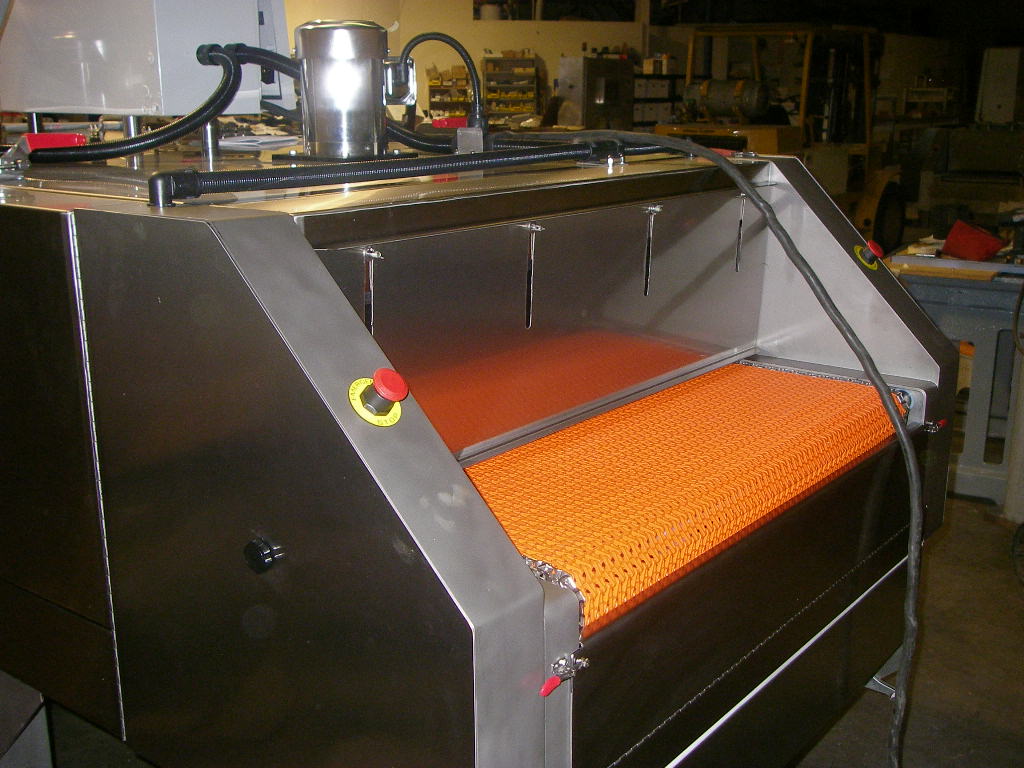
Tunnel Freezers
MBI Cryogenics tunnel freezers are known for their quality construction and high level of cryogenic application and mechanical…
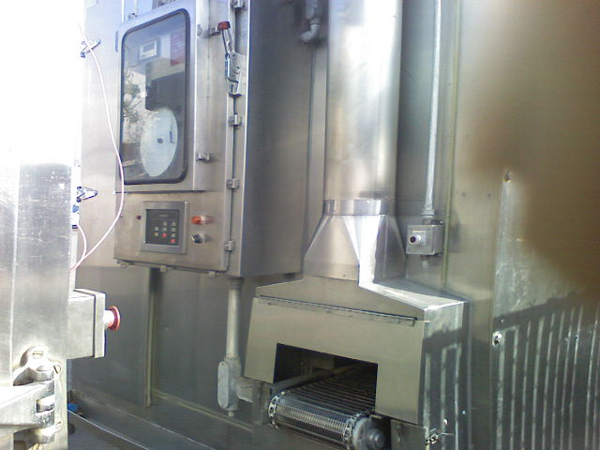
Spiral Freezers
MBI has long been a leader in the engineering, construction, and development of high quality spiral freezer/chillers. …

Batch Freezers
Batch freezers are the ideal solution for small batch, intermittent production. Specifically designed for smaller production, batch…
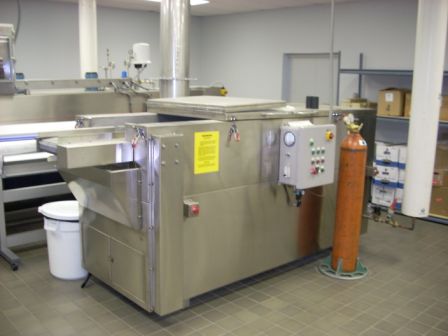
Immersion Freezers
Immersions Freezers are a unique freezer for specialty applications in the food and pharmaceutical industries.…
CRYOGENIC FREEZING FUNDAMENTALS
All freezing is the removal of heat from the product. First the cooling of the product from the production temperature to freezing temperature. Then a period whereby the product transitions from normal to frozen solid. Further freezing continues to drop the temperature of the frozen product.
Many manufacturers prefer to freeze just the outer surface. Sometimes called crust freezing. This allows the product to continue freezing from the outside over time or when placed into cold storage.
It is always a matter of time and temperatures.
- The warmer the product, the longer it will take to cool.
- The colder the freezer, the faster the product will reach the desired freezing point.
- For any given freezer temperature, reaching the frozen point is a matter of time.
Impact of Freezing Rate:
Cryogenic food freezing is a method that uses extremely low temperatures, typically below -100°F, to rapidly freeze food products. This process utilizes refrigerants like liquid nitrogen or carbon dioxide to freeze food almost instantly, preserving its quality by minimizing the formation of large ice crystals and cellular damage.
- Rapid Cooling: Cryogenic freezing employs ultra-low temperatures (often -196°C for liquid nitrogen) to freeze food very quickly.
- Minimal Ice Crystal Formation: The rapid freezing prevents the formation of large ice crystals that can damage the food’s cellular structure, leading to better texture, taste, and overall quality after thawing.
- Preservation of Quality: By minimizing cellular damage, cryogenic freezing helps retain the food’s natural flavor, color, and nutritional value.
- Applications: Cryogenic freezing is used for a wide range of food products, including seafood, fruits, vegetables, prepared meals, and even ice cream.
Benefits of Cryogenic Freezing:
Superior Quality:
The rapid freezing process results in minimal ice crystal formation, leading to better texture, taste, and appearance after thawing.
Extended Shelf Life: Cryogenic freezing helps preserve the food’s quality for a longer period compared to traditional freezing methods.
Reduced Dehydration: The fast freezing process minimizes moisture loss, resulting in higher yield and better product quality.
Increased Efficiency: Cryogenic systems can freeze large quantities of food in a short amount of time, improving overall processing efficiency.
Hygienic Process: Cryogenic freezing often takes place in an inert environment, which can help prevent bacterial growth and ensure food safety.